
- Home/
- Buy Furosemide at Low Price in the United Kingdom Online
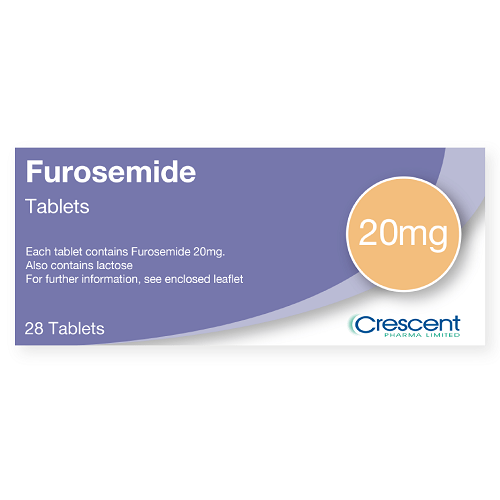
Furosemide in the United Kingdom: Expert Guide for Safe and Effective Use in Treating Oedema
Is Furosemide Prescription-Only in the United Kingdom?
No, you cannot legally obtain Furosemide in the United Kingdom without a prescription. Furosemide is classified as a prescription-only medicine (POM) regulated by the Medicines and Healthcare products Regulatory Agency (MHRA). Buying it online or in-person without a prescription is illegal and unsafe. Legitimate UK pharmacies require a valid prescription, whether you order in person or use a registered online service.
Key Points: Furosemide at a Glance
- Active ingredient: Furosemide (loop diuretic)
- Main use: Treating fluid retention (oedema) due to heart failure, liver, or kidney disease
- Onset of action: 30–60 minutes after oral dose
- Peak effect: 1–2 hours
- Duration of action: 6–8 hours (oral), faster and shorter with intravenous use
- Prescription status: Prescription-only in United Kingdom
- Most common side effect: Increased urination, electrolyte imbalance
- Absolute contraindication: Severe hypokalaemia, anuria (no urine production), known allergy
- Cost range (2026, UK): £0.10–£0.40 per 40 mg tablet (generic)
How Does Furosemide Work in the Body?
Furosemide is a “loop diuretic” that acts primarily on the ascending limb of the loop of Henle in the kidney. It inhibits the Na+-K+-2Cl– co-transporter (NKCC2), disrupting the reabsorption of sodium, potassium, and chloride ions. As a result, more sodium and water are excreted in urine, reducing excess fluid build-up (oedema) and lowering blood pressure.
Simplified metaphor: Imagine the kidney as a water filtration plant. Furosemide turns up the flow on the waste output, so more water and salts are flushed out rather than recycled.
Furosemide also increases the excretion of calcium and magnesium, and, at higher doses, may lower serum potassium, leading to potential electrolyte disturbances. It does not require any specific external factors to work, but its action is most pronounced when the patient has functioning kidneys and sufficient blood flow.
Myth vs Reality:
Myth: Furosemide works instantly for everyone.
Reality: Its effect depends on kidney function and baseline fluid status; in severe renal impairment, the response may be blunted or absent.
Expert Commentary from doctor
In my years of practice, I’ve seen many patients misunderstand how quickly—or how strongly—Furosemide can act. People often expect immediate relief, but the onset, especially with oral tablets, usually takes half an hour or longer. One practical point: timing your dose early in the day avoids inconvenient or even hazardous nighttime trips to the bathroom. Another issue is diet—patients sometimes don’t realise that sodium intake can directly affect how well Furosemide works. If you eat a very salty meal, you may find the effect less pronounced. I always emphasise to my patients that careful monitoring of weight, kidney function, and blood minerals is not optional. Skipping these checks can turn an effective medicine into a dangerous one.
How Should Furosemide Be Taken? Dosage and Administration Details
| Population | Starting Dose | Max Dose/day | Adjustments Needed? |
|---|---|---|---|
| Adults (oedema) | 20–40 mg once daily | 600 mg (rare, specialist only) | Yes, based on response, kidney function |
| Elderly | 20 mg or less | Usually lower than adults | Start low, monitor closely |
| Paediatric | 1–2 mg/kg/day | 6 mg/kg/day | Specialist paediatrician required |
| Renal impairment | May require higher dose if urine output | Up to 250 mg or more (specialist) | Cautious titration; hospital setting |
Timing: Take tablets in the morning to avoid nocturia (night-time urination).
Peak effect: 1–2 hours after oral dose.
Duration: Around 6 hours (thus the term “Lasix” from “lasts six hours”).
Tablet splitting: Most generic tablets can be halved, but always check with your dispensing pharmacist as some scored tablets are easier to split accurately. Never split unscored or film-coated tablets unless advised.
Never exceed the prescribed dose. Maximum daily dose depends on clinical context and should only be increased under medical supervision.
Food, Alcohol, and Lifestyle: What Interacts with Furosemide?
- Fatty foods
- Can delay absorption by up to one hour but do not reduce total effect.
- Alcohol
- Strongly discouraged. Alcohol can potentiate dehydration and low blood pressure, increasing risk of fainting or falls. Best avoided entirely when on Furosemide.
- Grapefruit juice
- No clinically significant interaction has been established.
- Caffeine
- May increase diuretic effect and dehydration risk; consume with caution.
- Salt intake
- High dietary salt can reduce Furosemide’s effectiveness.
Always maintain adequate fluid intake, especially during hot weather or illness. If you experience excessive thirst, dizziness, or muscle cramps, contact your doctor.
Who Should Absolutely Not Take Furosemide?
| Type | Condition | Reason |
|---|---|---|
| Absolute | Severe hypokalaemia (low potassium), severe hyponatraemia (low sodium), anuria (no urine output), hepatic coma, known allergy to Furosemide or sulphonamides | Danger of fatal arrhythmia, worsening kidney or liver failure, or severe allergic reaction |
| Relative | Low blood pressure, gout, diabetes mellitus, mild renal impairment, prostatic hypertrophy | Symptom worsening, risk of complications; requires close monitoring |
| Drug Interactions (strictly avoid) | Aminoglycoside antibiotics, lithium, certain antiarrhythmics (e.g., sotalol), NSAIDs in high doses | Risk of kidney damage, lithium toxicity, arrhythmia, or reduced diuretic response |
After a heart attack: Furosemide may be used under specialist supervision if fluid overload is present, but timing and dose require careful assessment.
What Side Effects Are Most Common with Furosemide?
| Frequency | Side Effect | Mechanism/Comment |
|---|---|---|
| Very common (>1 in 10) |
Increased urination, electrolyte imbalance (low potassium, sodium), dehydration | Direct effect of diuresis |
| Common (1 in 100–10) |
Low blood pressure (postural hypotension), dizziness, muscle cramps, increased blood glucose, gout flare | Fluid/electrolyte loss, altered metabolism |
| Rare (1 in 1,000–10,000) |
Hearing loss (high doses/IV), serious allergic reaction (anaphylaxis), pancreatitis | Direct toxicity or allergy |
| Very rare | Agranulocytosis, severe skin reactions (e.g., Stevens-Johnson syndrome), kidney failure | Idiosyncratic or severe toxicity |
If you notice symptoms like persistent vomiting, confusion, severe dizziness, or an unexplained rash, seek medical attention immediately. For mild symptoms such as increased urination, this is expected and usually not dangerous unless accompanied by weakness or palpitations.
What Happens to Furosemide in Your Body? (Pharmacokinetics Explained)
- Absorption: 60–70% absorbed after oral dosing; food may delay but not reduce absorption.
- Distribution: Highly protein-bound (95%); crosses placenta and enters breastmilk (use cautiously during pregnancy and lactation).
- Metabolism: Mainly in the kidneys; a small proportion metabolised in the liver.
- Elimination: Principally via the urine (renal excretion), some biliary excretion.
- Half-life (T1/2): 1–2 hours (normal kidney function); can be prolonged in severe renal impairment.
Bottom line: The drug leaves your system fairly quickly if your kidneys are healthy, but may hang around longer if kidney function is poor—dose adjustment is necessary.
Compatibility: Furosemide and Other Medications or Products
| Product | Can use with Furosemide? | Consequences / Comments |
|---|---|---|
| Paracetamol | Yes | No significant interaction |
| Ibuprofen / NSAIDs | Cautiously | Can reduce diuretic effect, may worsen kidney function |
| ACE inhibitors (e.g. Ramipril) | Yes, but monitor | Risk of low blood pressure, kidney impairment |
| Lithium | NO | Risk of lithium toxicity—strictly avoid |
| Alcohol | NO | Dehydration, fainting risk—avoid |
| Potassium supplements | Only under medical advice | May be needed to correct low potassium |
| Herbal diuretics | Avoid | Unpredictable effects; risk of over-diuresis |
Common Patient Mistakes Observed by doctor
-
Taking Furosemide too late in the day. This often leads to sleep disruption from night-time urination and increased risk of falls in older adults.
Avoid by taking your dose in the morning unless specifically instructed otherwise. -
Skipping blood tests or weight monitoring. Electrolyte shifts and silent kidney problems can go unnoticed until severe.
Have regular blood checks and monitor daily weight if on long-term therapy. -
Stopping the medication suddenly. Can cause rebound fluid retention, especially in heart failure.
Always consult your doctor before discontinuing. -
Self-adjusting the dose after missing a tablet. Doubling up can cause dangerous dehydration or low potassium.
If you miss a dose, take it as soon as you remember unless it’s close to the next scheduled dose—never double up. -
Mixing with over-the-counter painkillers (NSAIDs) without advice. This combination can blunt Furosemide’s effect and damage the kidneys.
Always check before combining medicines. -
Ignoring salt intake. High salt diets can render Furosemide less effective.
Follow dietary advice to maximise the benefit.
How Does Furosemide Compare with Alternatives? (With Prices)
| Name | Class | Onset Speed | Duration | Typical Dose | Estimated Cost (per tablet, UK 2026) | Main Pros | Main Cons |
|---|---|---|---|---|---|---|---|
| Furosemide | Loop diuretic | 30–60 min (oral) | 6–8 hours | 20–40 mg | £0.10–£0.40 | Rapid, potent, widely available | Risks low K+, dehydration |
| Bumetanide | Loop diuretic | 30–60 min (oral) | 4–6 hours | 1 mg | £0.40–£0.80 | More predictable in kidney disease | Shorter duration, costlier |
| Spironolactone | Potassium-sparing diuretic | 2–4 hours | 12–24 hours | 25–100 mg | £0.10–£0.25 | No potassium loss, long effect | Weak, slow, hormonal side effects |
| Bendroflumethiazide | Thiazide diuretic | 1–2 hours | 12–24 hours | 2.5–5 mg | £0.06–£0.15 | Ideal for mild oedema/hypertension | Ineffective in severe kidney disease |
Bottom line: Furosemide is usually preferred for severe fluid overload, while alternatives may be chosen for specific scenarios or to minimise side effects. Always discuss with your doctor.
Special Considerations for Specific Patient Groups
- Elderly: Start with the lowest effective dose; high risk of dehydration and falls.
- Children: Specialist only; dosing is weight-based and requires close monitoring.
- Pregnant women: Only if benefits outweigh risks; crosses placenta and can affect fetal kidney development.
- Breastfeeding: May be present in breastmilk; discuss risks with your GP.
- Diabetics: May raise blood sugar; monitor glucose closely.
- People with liver cirrhosis: Risk of electrolyte imbalance; require specialist input.
- Ability to drive: Generally safe, but dizziness or low blood pressure may impair driving—do not drive if affected.
- Fertility: No known direct effects on fertility, but severe electrolyte imbalance can impact reproductive health.
Original Furosemide vs Generics: What’s the Difference?
Original brands (e.g., Lasix®) have the same active ingredient as generics (Furosemide), but may differ in inactive components (excipients) such as fillers, binders, or colouring agents. These can affect tolerability for people with allergies or sensitivities. In the United Kingdom, generics must pass strict MHRA bioequivalence standards, ensuring comparable absorption and effectiveness.
- Generics are typically much cheaper (£0.10–£0.20 per 40mg tablet).
- The risk of allergic reaction to excipients is very low but present—always notify your GP or pharmacist if you have a known allergy.
- Unusually low-priced, “unbranded” products sold without prescription are likely counterfeit or of uncertain quality.
Practical tip: Always check for UK pharmacy or MHRA approval marks when purchasing.
How to Spot a Counterfeit Furosemide Product?
- Check the packaging: Genuine UK products display the pharmacy’s dispensing label, batch number, expiry date, and manufacturer’s details. Blister packs should be uniform, with clear, legible text.
- Look for holograms or QR codes: Some brands now include a scannable QR code or holographic seal.
- Cost: If the price is well below £0.10 per tablet, be suspicious.
- Physical appearance: Tablets should match the description (e.g., white, round, scored, embossed with dosage). Powdery, crumbly, or discoloured tablets may be counterfeit or degraded.
- Pharmacy verification: Buy only from pharmacies listed on the NHS pharmacy finder or MHRA’s official list.
What Should I Do in Case of Accidental Overdose?
- Stop taking Furosemide immediately.
- Call NHS 111 or 999 for emergency advice if you feel faint, confused, have muscle weakness, or severe dehydration symptoms.
- Bring the medication packaging and inform medical staff of the quantity and timing of your last dose.
- Do not attempt to self-treat with fluids or salt without medical direction.
- Monitor for warning signs: palpitations, chest pain, severe dizziness, or unresponsiveness.
Prompt treatment can prevent major complications.
Support and Empathy: Living with Oedema
Oedema is a common challenge, especially for those with heart, liver, or kidney concerns. If you’re struggling with the emotional impact of chronic swelling or medication management, know you’re not alone. Seeking support from a support group, sharing concerns with loved ones, or consulting a specialist nurse or counsellor can help you feel more in control.
How to Obtain Furosemide Legally in the United Kingdom: Step-by-Step
- Consult a qualified UK GP or specialist—in person or through a registered telehealth service (such as NHS App or private providers).
- Assessment and diagnosis: Your doctor will determine if you have a medical condition appropriate for Furosemide (e.g., heart failure, kidney or liver disease with oedema).
- Complete safety checks: Blood tests and a review of current medications help avoid dangerous interactions.
- Receive a prescription, either as a paper form or electronic prescription (EPS).
- Collect your medication from a local UK pharmacy or a legitimate online pharmacy displaying the MHRA green cross logo.
- Attend follow-up reviews as instructed. Never purchase from sites offering Furosemide without a prescription—these may be illegal and unsafe.
Questions Frequently Asked to doctor
- Can I take Furosemide with my blood pressure medication?
- Yes, but close monitoring is essential. Both can lower blood pressure, so you may feel dizzy or light-headed. Regular checks and dose adjustments may be needed.
- Is it safe to use Furosemide if I have diabetes?
- Furosemide may slightly raise blood sugar. If you have diabetes, monitor your levels more closely, especially during the first weeks of treatment.
- What should I do if I miss a dose?
- Take it as soon as you remember, unless it’s nearly time for your next dose. Never double up. If you miss several doses, contact your doctor for advice.
- Can I drink alcohol while on Furosemide?
- It’s best to avoid alcohol. The combination increases dehydration risk and may worsen light-headedness or hypotension.
- What are the risks of long-term Furosemide use?
- With long-term use, the main risks are electrolyte imbalance, kidney function changes, and gout. Regular blood tests and doctor reviews are essential to catch any problems early.
- Will Furosemide help if my swelling is only mild?
- For mild swelling, lifestyle changes or milder diuretics may be preferable. Furosemide is usually reserved for moderate to severe cases or where other treatments have not worked.
- Is it safe for older adults?
- Yes, but with caution. Older adults are at greater risk of dehydration and falls, so doctors usually start with lower doses and monitor closely.
Quality Check: What Does Genuine Furosemide Look Like?
- Shape/colour: Most commonly white, round, or oblong tablets; may be scored for splitting.
- Markings: Embossed with dosage and/or manufacturer code (e.g., “F40”).
- Packaging: UK medicines come in blister strips with batch number and expiry clearly printed. Outer box carries the MHRA-licensed manufacturer’s information and may include a hologram or QR code.
- Dispensing label: Should display your name, the drug name, dosage, pharmacy details, and prescription date.
- Documentation: Includes a patient information leaflet inside with UK-specific information.
If in doubt, ask your pharmacist to confirm authenticity.
Professional Opinion of doctor
Furosemide remains one of the most important medicines in managing significant fluid overload due to heart failure, kidney, or liver disease, especially when symptoms are severe and quality of life is affected. Most patients benefit from its rapid and reliable effect, but the risks—particularly dehydration and electrolyte imbalance—should never be underestimated. In my experience, Furosemide is not for mild swelling or as a “quick fix” for minor discomfort. It’s best suited for those with clear medical indications, monitored regularly through blood tests and weight checks. For some, alternatives like thiazide diuretics or potassium-sparing agents may offer a safer or more convenient option, particularly in the elderly or those with milder symptoms. The key to safe, effective Furosemide therapy is personalised dosing, regular monitoring, and open communication between patient and care team.
Frequently Asked Questions (FAQ)
- Can I use Furosemide every day?
- Yes, if prescribed for chronic conditions, but only with regular monitoring by your doctor.
- How quickly does Furosemide work?
- Usually within 30–60 minutes after taking a tablet by mouth.
- Is Furosemide safe during pregnancy?
- It should only be used if absolutely necessary and under specialist supervision.
- Do I need regular blood tests while on Furosemide?
- Yes, regular tests for electrolytes and kidney function are essential for safety.
- Can I buy Furosemide online in the UK?
- Only from registered pharmacies with a valid UK prescription. Sites selling without prescription are illegal and unsafe.
- What is the cost of Furosemide in the UK?
- Typically £0.10–£0.40 per tablet for generic versions at NHS or high-street pharmacies.
- What should I do if I feel dizzy or faint after taking Furosemide?
- Sit or lie down, avoid standing suddenly, and contact your doctor if symptoms persist.
- Is Furosemide addictive?
- No, but sudden withdrawal can cause fluid rebound. Always consult your doctor before stopping.
- Can Furosemide cause hearing loss?
- Rarely, and usually only with high intravenous doses. Report any hearing changes to your doctor immediately.
References
- Medicines and Healthcare products Regulatory Agency (MHRA), official homepage: https://www.gov.uk/government/organisations/medicines-and-healthcare-products-regulatory-agency
- National Institute for Health and Care Excellence (NICE). Chronic heart failure in adults: diagnosis and management. NG106. Accessed June 2026. https://www.nice.org.uk/guidance/ng106
- NHS, Furosemide. Accessed June 2026. https://www.nhs.uk/medicines/furosemide/
- British National Formulary (BNF), Furosemide monograph. Accessed June 2026. https://bnf.nice.org.uk/medicinal-forms/furosemide.html
- European Medicines Agency (EMA). Furosemide summary. Accessed June 2026. https://www.ema.europa.eu/en
- National Institutes of Health (NIH) PubMed, Furosemide clinical studies. Accessed June 2026. https://pubmed.ncbi.nlm.nih.gov/
- ClinicalTrials.gov, Furosemide studies. Accessed June 2026. https://clinicaltrials.gov/
- World Health Organization (WHO), Model List of Essential Medicines. Accessed June 2026. https://www.who.int/groups/expert-committee-on-selection-and-use-of-essential-medicines/essential-medicines-lists