
- Home/
- Buy Ivermectin Without Prescription in the United Kingdom Online
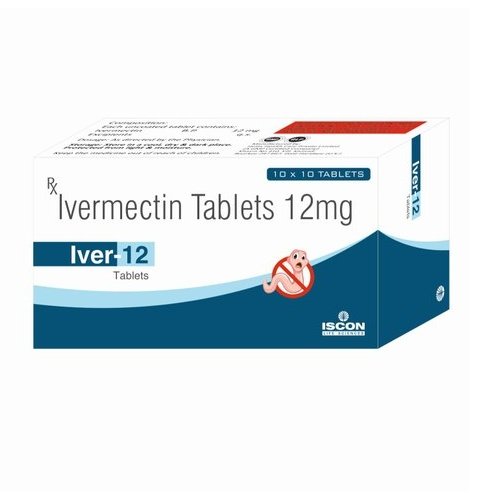
| Medicine Name | Ivermectin |
|---|---|
| Main Substance | Ivermectin |
| Intended Use | Antiparasitic treatment (oral/tablet or topical) |
| Strength Variations | 3 mg, 6 mg, 12 mg tablets; 1% topical cream |
| How Fast It Works | Onset typically within 1–2 days for most parasitic infections |
| Length of Benefit | Effect lasts 1–2 weeks per dose; dependent on infection type |
| How It’s Taken | Single dose or short course, usually on empty stomach |
| Prescription Needed in the UK | Yes |
| Average UK Price | £25–£70 per course (varies by format and pharmacy) |
Ivermectin: Complete Guide for Antiparasitic Use in the United Kingdom
Ivermectin is a medication used to treat a range of parasitic infections, including scabies, some forms of lice, and strongyloidiasis. It is available in the United Kingdom both as a tablet and in topical form, and can be prescribed by a healthcare professional. Ivermectin has been used globally for decades and is regulated for medical use in the UK.
You Are Not Alone: Parasitic Infections in the UK
Parasitic infections, although more common in tropical regions, are increasingly recognised in the United Kingdom due to global travel and migration. According to the UK Health Security Agency (2022), conditions like scabies and threadworm affect thousands of individuals annually across all age groups. Scabies outbreaks, for instance, are reported in schools, care homes, and hospitals every year. The World Health Organization (WHO, 2023) lists scabies as a neglected tropical disease, highlighting its impact even in developed countries. The good news is that these conditions are treatable and effective medications like Ivermectin are available in the UK’s healthcare system.
How Ivermectin Works: What Changes in Your Body and Why It Matters
Ivermectin disrupts the nerves and muscles of many parasites. On a biological level, it binds to specific channels (called glutamate-gated chloride channels) present in nerve and muscle cells of parasites. This action causes an influx of chloride ions, leading to paralysis and eventually the death of the parasite.
For you, this means that Ivermectin targets the cause of symptoms—such as itching, skin rash, or gastrointestinal discomfort—by eliminating the underlying infestation. Many notice relief within a few days: itching and visible skin lesions typically improve within a week for scabies, and gastrointestinal symptoms often subside soon after a single dose for intestinal parasites. Because Ivermectin acts specifically on parasite channels (which humans do not have), side effects are generally mild and the risk of harm to the human nervous system is low when used as directed.
Is Ivermectin Right for Me? Choosing Based on Your Situation
| If this is your situation… | Recommended option | Reason |
|---|---|---|
| You have confirmed scabies that did not respond to topical permethrin, or you cannot use topical treatments (e.g., due to allergy or skin condition) | Ivermectin tablets | Oral Ivermectin is effective for resistant or widespread cases, especially where creams cannot be used |
| You have a simple, first-time threadworm infection and prefer a one-dose treatment | Ivermectin tablets (on prescription), or mebendazole as alternative | Both are effective, but Ivermectin may be chosen if mebendazole is unsuitable or not tolerated |
| You are pregnant or breastfeeding | Ivermectin is NOT recommended | Safety in pregnancy and lactation has not been established; alternative treatments are advised |
| You have a history of neurological disorders (e.g., meningitis, epilepsy) | Ivermectin use requires special caution | Rare risk of CNS effects; discuss with your GP before use |
| Seeking over-the-counter treatment for lice or scabies without seeing a doctor | Consider topical agents first | Ivermectin requires a prescription; over-the-counter treatments are available for many common infestations |
This table helps you see at a glance when Ivermectin is appropriate. If your situation is not listed, or if you have multiple health conditions, a consultation with your doctor or pharmacist is recommended for tailored advice.
Using Ivermectin in Real Life: Dosage, Timing, and What Ifs
- How to take it: Ivermectin tablets are usually taken on an empty stomach, with water. For scabies, a single dose is often repeated after 7–14 days. For intestinal worms, a single dose may suffice. Topical Ivermectin is applied as a thin layer to the affected skin.
- Food and drink: Take on an empty stomach (1 hour before or 2 hours after a meal). Small amounts of water are fine; avoid grapefruit juice, which can affect absorption.
- Missed a dose? Take it as soon as you remember on the same day. If it’s nearly time for the next dose, skip the missed one—do not double up.
- No improvement after treatment? If symptoms persist after the full course, contact your GP. Some infestations require repeat or combination therapy.
- What’s normal: Temporary itching may continue after successful treatment as the body reacts to dying parasites. This typically resolves within a week.
- When to seek help: Unusual symptoms (severe rash, difficulty breathing, confusion) after taking Ivermectin mean you should seek medical advice promptly.
The prescribing doctor will advise the exact dose and repeat schedule for your diagnosis. Never share your medication with others, as treatment is individualised.
Is It Safe for Me? Contraindications Explained
Ivermectin is not suitable for everyone. The following are situations in which Ivermectin is generally avoided, with explanations:
- Pregnancy: Not recommended because animal studies suggest a potential risk to the developing fetus, and human data is limited.
- Breastfeeding: Not advised due to unknown transfer of the drug into breast milk and possible infant effects.
- Children under 15 kg (about 3 years old): Safety has not been established for very young children, as their bodies may process the drug differently.
- Known allergy to Ivermectin or its ingredients: Allergic reactions can occur, including rash or swelling.
- Certain neurological conditions: For example, those with meningitis or other central nervous system disorders may be at increased risk of drug crossing into the brain, potentially leading to adverse effects.
- Severe liver disease: The liver processes Ivermectin, and impairment can lead to higher levels and increased risk of side effects.
If you have any of these conditions, your doctor will recommend alternatives and explain the risks. Always disclose your full medical history before starting Ivermectin.
Possible Side Effects: What to Expect
- Mild, common: Nausea, diarrhoea, dizziness, mild itching, and skin rash. These typically resolve within a few days as your body clears the parasites.
- Moderate, less common: Swelling of hands or feet, headache, joint pain, or fever—often related to the body’s reaction to dying parasites rather than to the drug itself.
- Rare but serious (seek urgent help): Severe allergic reactions (swelling of face/tongue, breathing difficulty), sudden confusion, seizures. If you experience these, call NHS 111 or, in emergencies, 999 for immediate assistance.
Most people tolerate Ivermectin well, but everyone’s response is unique. If you’re unsure whether a symptom is normal, consult your healthcare provider promptly.
Drug and Food Interactions: What to Avoid
Ivermectin has a low risk of interacting with most medicines, but some exceptions are important to know:
- Strong CYP3A4 inhibitors (such as ketoconazole, ritonavir, or certain antibiotics) can increase Ivermectin levels and the risk of toxicity.
- Other central nervous system depressants may theoretically increase the risk of drowsiness or confusion.
- Grapefruit and grapefruit juice can alter how your body processes Ivermectin—avoid them during your treatment course.
Always inform your GP or pharmacist of all medicines and supplements you are taking, including herbal products.
Alternatives and Comparisons: Is There a Better Option?
| Medication | Type of Infestation | Formulation | When Preferred |
|---|---|---|---|
| Ivermectin | Scabies, lice (off-label), threadworm, strongyloidiasis | Tablet, topical cream | When topical treatments fail, are impractical, or for systemic worms |
| Permethrin | Scabies, head lice | Cream, lotion | First-line for scabies/lice; used when skin is not broken or inflamed |
| Mebendazole | Threadworm, other intestinal worms | Tablet, suspension | First-line for most UK threadworm cases |
| Malathion | Head/body lice | Lotion | For lice resistant to other therapies |
For standard scabies or threadworm, topical permethrin or mebendazole are recommended as first-line in the United Kingdom per NHS guidance (2023). Ivermectin is reserved for cases where topical or standard oral agents are ineffective, not tolerated, or cannot be used. Your doctor will advise based on your medical history, infestation severity, and previous treatment outcomes.
What Does Ivermectin Really Cost in the UK?
| Expense Item | Estimated Cost (£) | Notes |
|---|---|---|
| GP/Clinic Consultation (Private) | £40–£90 | If private; free under NHS but may have waiting times |
| Prescription Fee | £9.65 | Standard NHS England charge per item |
| Ivermectin Tablets (Course of 2 doses) | £25–£70 | Private pharmacy; price depends on dose and supplier |
| Delivery (if online) | £3–£7 | Standard UK delivery; next-day or same-day is extra |
| Total | £34.65–£176.65 | Lowest: NHS route; Highest: full private, rapid delivery |
Most people in the UK obtain Ivermectin via NHS prescription, paying only the prescription fee if eligible. Private online clinics charge more, but may offer faster access. Always use registered pharmacies: check the General Pharmaceutical Council (www.pharmacyregulation.org) for verification.
Common Final Concerns: Practical Answers Before You Decide
- Can I buy Ivermectin online without a prescription? In the UK, it is a prescription-only medicine. Some online services offer a consultation and prescription in one step, but avoid unregulated vendors and overseas sites due to quality and safety risks.
- How quickly will I get relief? For scabies, itching may persist for up to two weeks after parasites are killed, as the skin heals. For threadworm, symptoms often stop within days.
- What if I’m exposed again after treatment? Re-treatment may be necessary if re-infection occurs. Close contacts may also require simultaneous treatment.
- Is Ivermectin ever used for COVID-19? In the UK, Ivermectin is not approved for COVID-19 treatment. The Medicines and Healthcare products Regulatory Agency (MHRA) advises use only for licensed indications.
Your pharmacist or NHS 111 can answer further logistical questions. Ultimately, an in-person or online GP consultation ensures you receive safe, effective care tailored to your situation.
Where this information comes from
- World Health Organization, 2023
- UK Health Security Agency, 2022
- NHS, 2023
- Medicines and Healthcare products Regulatory Agency (MHRA)