
- Home/
- Buy Prednisolone Without Prescription Online in the United Kingdom
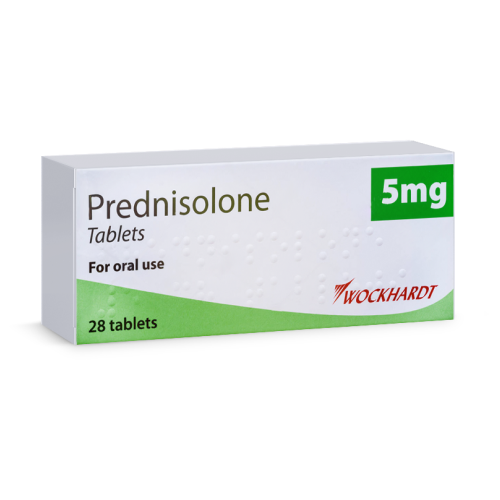
Why Prednisolone – And Why Now?
The moment it becomes clear that over-the-counter painkillers, anti-inflammatories, or creams are no longer enough, the conversation shifts. Maybe you’re waking up every hour from joint pain, or your breathing feels like it’s being squeezed from the inside out. Perhaps blood tests hint at the body attacking itself. Suddenly, prednisolone enters the picture – not as a gentle nudge, but as a decisive step.
Why this medication, and why at this point? Prednisolone isn’t a first port of call for minor aches or fleeting flare-ups. In the UK, it’s prescribed when the stakes are higher: when unchecked inflammation threatens your quality of life, or even your organs. For many conditions – severe asthma, polymyalgia rheumatica, inflammatory bowel disease, lupus, or after an organ transplant – prednisolone can be the difference between crisis and control.
Clinical Insight: Unlike simple painkillers or anti-inflammatory gels, prednisolone works inside the body’s immune system. It cuts through inflammation at its source, not just masking symptoms, but changing the course of disease. But with this power comes the responsibility to use it carefully: timing, dose, and checking for side effects are as important as the prescription itself.
- Patients often wonder if prednisolone will “fix” their problem. It can, in many cases, put out the fire of inflammation – but it rarely treats the underlying cause.
- In the NHS, the choice to start prednisolone is usually made by a GP or hospital specialist, and always involves weighing benefits against risks.
- This isn’t a medication you keep in the cupboard for flare-ups unless specifically advised. Its use is tailored, monitored, and, whenever possible, kept as short as possible.
How Prednisolone Actually Tames Inflammation
The science often gets lost in the shuffle, but for many, understanding how prednisolone works is key to trusting it. At its core, prednisolone is a corticosteroid – a synthetic version of hormones your adrenal glands make every day. When taken in higher doses, it calms the immune system’s urge to overreact, lowering swelling, pain, redness, and heat.
- Corticosteroid
- A medication that mimics the anti-inflammatory and immunosuppressive effects of natural steroid hormones in your body.
What sets prednisolone apart from other forms of steroids is its balance: it’s strong enough to control serious inflammation but, when used correctly, less likely than older steroids to cause some of the more severe long-term side effects.
- Prednisolone does not work instantly. Tablets may start to bring relief within a few hours, but full effect can take days.
- Unlike painkillers, it does not dull nerves – it changes the immune system itself, so “feeling better” often means the disease is actually being controlled.
- It suppresses both “good” and “bad” inflammation, which is why it can raise the risk of infections and other complications.
Taking Prednisolone: What It Means For Your Daily Life
Swallowing a tablet is simple. Living with prednisolone is another story. The first days often bring rapid improvement: pain or swelling fades, breathing eases, and sleep returns. But the practical side – when to take it, what to eat, what to avoid – is where many people stumble.
- Timing: Most people take their full dose in the morning, with food, to mimic natural hormone rhythms and reduce stomach upset.
- Food and Drink: A meal helps protect the stomach, and a balanced diet can counteract weight gain, bone loss, and increased blood sugar risks.
- Missing a Dose: Take it as soon as you remember, unless it’s nearly time for the next dose. Never double up. If you miss several doses, contact your GP.
- Alcohol: While moderate drinking is generally not forbidden, excessive alcohol can worsen stomach and bone side effects.
- Other Medications: Prednisolone interacts with a long list of drugs, including NSAIDs, warfarin, certain antifungals, and some antibiotics. Always check with your pharmacist or GP.
Daily life on prednisolone can mean watching for new bruises, checking your blood sugar if you have diabetes, or noticing mood changes. Not everyone experiences these, but being prepared is the difference between a smooth course and unexpected phone calls to your GP.
Prednisolone vs. Alternatives: When Does the Difference Matter?
Not all inflammation is created equal, and not every steroid is prednisolone. In the UK, options may include hydrocortisone, methylprednisolone, dexamethasone, and non-steroid anti-inflammatories. The decision is rarely about which is strongest – it’s about which balances control, safety, and fit for your condition.
| Feature | Prednisolone | Methylprednisolone | Non-steroidal Anti-inflammatories (NSAIDs) |
|---|---|---|---|
| Approved uses | Wide: asthma, arthritis, autoimmune, IBD, allergies | IV use in severe cases (e.g., MS relapse, severe asthma) | Pain, mild to moderate inflammation (e.g., ibuprofen, naproxen) |
| Mechanism | Corticosteroid – reduces immune system activity | Corticosteroid – more potent per mg | Blocks prostaglandins, not immune system directly |
| Onset of action | Fast: 4-24 hours | Very fast (IV): minutes to hours | Fast: 1-3 hours |
| Key side effects | Weight gain, mood changes, infection risk, osteoporosis | Similar, but higher risk at high doses | Stomach ulcers, kidney issues, heart risk |
| Prescription required? | Yes, always (UK) | Yes, hospital use | Some OTC, some prescription (UK) |
| Cost (NHS) | Usually covered; low prescription fee if paid privately | Covered when used in NHS hospitals | Low (OTC); prescription NSAIDs covered |
| Monitoring | Yes: blood pressure, sugar, bones, infection | Yes: hospital setting | No routine monitoring unless long-term |
While NSAIDs are suitable for mild or moderate symptoms, they cannot match prednisolone for speed or depth of control when inflammation threatens organ function. Methylprednisolone might be used for severe, hospital-based emergencies, but for most community-treated inflammatory diseases, prednisolone is the standard. Its flexibility (dosing can be precisely adjusted), wide experience base, and established safety monitoring make it the workhorse of inflammatory control in the UK.
What to Watch For With Prednisolone: Early Signs, Long-Term Risks
The early days on prednisolone can feel like a revelation – pain recedes, breathing improves, and energy returns. But steroids are never a free ride. Some side effects appear quickly, others creep in over weeks or months. The challenge is knowing which are expected and manageable, and which are a red flag.
Short-Term Effects
Mood swings, insomnia, increased appetite, and mild swelling are common. Many are reversible if the dose is lowered or the medication is stopped, but can be distressing.
Long-Term Issues
Bone thinning (osteoporosis), diabetes, high blood pressure, cataracts, and increased infection risk may all develop over time. These are the risks that guide how long and how high a dose your doctor will prescribe.
Monitoring and Mitigation
- Regular blood pressure and blood sugar checks
- Bone protection strategies – calcium, vitamin D, or bisphosphonates if needed
- Eye tests if used long-term
- Annual flu jabs and pneumonia vaccine recommended
| Side Effect | How Common? | When to Contact a Doctor |
|---|---|---|
| Severe mood changes / depression | Uncommon but possible, especially at high doses | If you feel persistently low, agitated, or have thoughts of self-harm |
| Infection (fever, cough, wound redness) | Moderate to high risk, especially with other conditions | Immediately if fever, persistent cough, or wound problems develop |
| Raised blood sugar | Common, more in people with diabetes or risk factors | If you notice increased thirst, urination, or fatigue |
| Osteoporosis (bone pain, fractures) | Long-term use, especially in older adults | If you develop bone pain or have a fall/fracture |
| Stomach ulcers or pain | Uncommon, but risk increases with NSAIDs or aspirin | Severe upper belly pain, black stools, or vomiting blood – seek urgent care |
| Fluid retention / swelling | Common, especially at higher doses | If swelling is severe or affects breathing |
| Eye problems (blurred vision, pain) | Rare, but risk increases with long-term use | If you have sudden vision changes or pain |
The key is not to fear every side effect, but to know which signals matter and when to seek help. Most people complete their prescribed course without major problems, but vigilance – and honest conversations with your healthcare team – keeps minor issues from becoming major ones.
When Not To Take Prednisolone: Hidden Risks and Dealbreakers
- You have a known allergy to prednisolone or other corticosteroids (rare, but serious)
- You have an active, untreated infection (such as tuberculosis, systemic fungal infection, or herpes affecting the eye)
- You are scheduled for live vaccines during treatment (discuss with your doctor before any vaccines)
Relative Contraindications:
- History of severe mental health issues (prednisolone can worsen some conditions)
- Uncontrolled diabetes, hypertension, or osteoporosis (may need close supervision or alternative treatments)
- Gastrointestinal ulcers or bleeding risk (especially if on NSAIDs or blood thinners)
- Current pregnancy or breastfeeding – not an absolute barrier, but requires specialist input and risk/benefit balancing
If you have any of these conditions, inform your GP or specialist before starting prednisolone. Never self-start or self-adjust without clinical supervision.
Getting Prednisolone in the United Kingdom: Pathways, Cost, and Pharmacy Realities
Prednisolone isn’t just another tablet you can pick up over the counter. In the UK, it’s prescription-only, tightly regulated by the Medicines and Healthcare products Regulatory Agency (MHRA). The access pathway matters for both safety and cost.
- Prescription Only: You’ll need a prescription from a GP or specialist, usually after an in-person or (occasionally) remote consultation. Hospital doctors may prescribe higher doses or intravenous forms.
- NHS Coverage: For eligible patients, prescriptions are covered by the NHS, with standard prescription charges in England (currently £9.65 per item; free in Scotland, Wales, and Northern Ireland for most residents).
- Private Prescriptions: If you see a private GP or consultant, you may pay both for the appointment and the medication at a pharmacy. Costs are usually modest: a typical course of prednisolone costs less than £10 for common doses.
- Pharmacy Collection: Most community pharmacies dispense prednisolone tablets and liquid. Emergency “out-of-hours” supplies are possible but require a valid prescription or emergency consultation.
- Online Pharmacies: Only legal for UK-registered pharmacies – and only with a real prescription. Avoid any website offering “no-prescription” steroids; these are unsafe and illegal.
| Condition | Initial Dose | Maintenance / Taper |
|---|---|---|
| Acute asthma exacerbation | 30–40 mg daily for 5–7 days | Stop or taper according to response |
| Rheumatoid arthritis (flare) | 10–20 mg daily, short-term | Reduce gradually |
| Polymyalgia rheumatica | 15 mg daily | Reduce by 1 mg/month to minimum effective dose |
| Severe allergies (anaphylaxis follow-up) | 20–40 mg daily, 3–5 days | Usually stop; no long taper |
| Children (varies by weight) | 1–2 mg/kg daily (max 40 mg) | Adjust and taper as advised by paediatrician |
Doses will always be tailored to the individual, and the right schedule depends on your condition, age, and response. Never change your dose without your clinician’s guidance.
FAQs: Real Questions Patients Ask About Prednisolone in the UK
- How quickly should I expect my symptoms to improve after starting prednisolone?
- Most people notice improvement within 24 to 48 hours, but some conditions (like autoimmune diseases) may take several days. If you don’t notice any change after a week, contact your doctor for review.
- Will I gain weight on prednisolone, and can I prevent it?
- Weight gain is common, especially with longer courses or higher doses. A balanced diet, regular activity, and limiting salty and sugary foods can help. If weight increases rapidly or causes distress, discuss options with your healthcare team.
- Is it safe to have vaccines while on prednisolone?
- Some vaccines (like the flu jab) are safe and recommended, but live vaccines should be avoided during and shortly after higher doses. Always inform your GP or nurse before any vaccination.
- What should I do if I miss a dose?
- Take it as soon as you remember, unless it’s nearly time for your next dose. Do not double up. Missing several doses may require medical review, as abrupt changes can be risky if you’ve taken steroids for more than two weeks.
- Do I need to carry a steroid card?
- Yes, if you are on prednisolone for more than three weeks or have repeated courses. This alerts medical staff in emergencies and helps prevent dangerous withdrawal or interactions.
- Can I drink alcohol while taking prednisolone?
- Small amounts are generally safe, but alcohol can raise the risk of stomach problems and worsen some side effects. If you have concerns or a history of liver disease, ask your doctor directly.
- What happens if I stop prednisolone suddenly?
- Stopping too quickly can cause adrenal crisis – a potentially life-threatening drop in blood pressure and energy. Tapering gradually under medical supervision is crucial. Never stop without talking to your doctor.
- How does prednisolone interact with my other medications?
- Prednisolone can interact with many drugs, including warfarin, diabetes medicines, antifungals, and certain HIV treatments. Always check with your pharmacist and mention all medicines and supplements, including over-the-counter ones.
References & Sources
- Prednisolone – NHS Medicines Guide
- Medicines and Healthcare products Regulatory Agency (MHRA), UK
- Prescribing Prednisolone – British National Formulary, British Medical Association and Royal Pharmaceutical Society, 2023
- Clinical Guidelines: Corticosteroid Therapy, National Institute for Health and Care Excellence (NICE), 2022
- British Society for Rheumatology Biologics Register
- PubMed Database
- European Medicines Agency
- Prednisolone Tablets – Summary of Product Characteristics, EMC UK