
- Home/
- Buy Neurontin Online in the United Kingdom – Fast UK Delivery
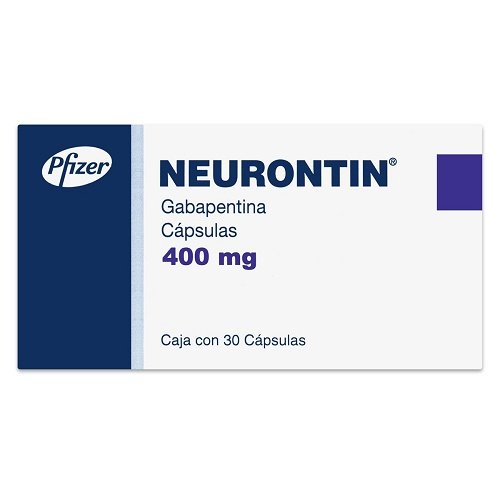
Neurontin (Gabapentin) in the United Kingdom: Complete Patient Guide 2026
Can Neurontin Be Obtained Without a Prescription in the UK?
No. Neurontin (gabapentin) is a prescription-only medicine (POM) in the United Kingdom. It is illegal to obtain, possess, or supply Neurontin without a valid prescription issued by a registered UK healthcare professional. Since April 2019, gabapentin is classified as a Class C controlled drug under the Misuse of Drugs Regulations 2001 (NHS).
Key Takeaways: Neurontin in the UK
- Active Ingredient: Gabapentin
- Main Use: Management of neuropathic pain (nerve pain), some cases of epilepsy
- Prescription Required: Yes (Controlled Drug)
- Onset of Effect: Typically within 1–2 weeks for neuropathic pain
- Common Side Effects: Drowsiness, dizziness, swelling of feet/ankles
- Legal Status in the UK: Class C controlled, possession without prescription is illegal
- Generic Alternatives: Widely available; typically less expensive than branded Neurontin
- Reimbursement/NHS Coverage: Available on NHS prescription in England, Scotland, Wales, and Northern Ireland
How Does Neurontin Work to Relieve Neuropathic Pain?
Neurontin’s active ingredient, gabapentin, is classified as a gabapentinoid. Unlike traditional painkillers, gabapentin does not act on opioid or non-steroidal anti-inflammatory pathways. Instead, it modulates the function of certain calcium channels—specifically, the α2δ-1 subunit of voltage-gated calcium channels—on nerve cells in the central nervous system (NCBI).
By binding to these channels, gabapentin reduces the release of excitatory neurotransmitters such as glutamate, noradrenaline, and substance P. This action dampens abnormal nerve signalling, which is believed to underlie neuropathic pain. Notably, gabapentin does not directly affect GABA (gamma-aminobutyric acid) receptors, despite its structural similarity to the neurotransmitter.
Simple Metaphor: Imagine faulty wiring causing electric shocks along a nerve. Gabapentin acts like insulation—reducing those “shocks” and quietening the faulty signals that cause chronic nerve pain.
Does Neurontin require specific conditions to work? No external triggers are needed; it works independently, but its effect may be more pronounced in certain neuropathic pain conditions.
- Myth: Neurontin stops pain instantly.
- Reality: It may take several days to a few weeks to achieve noticeable pain relief. Patience is required for dose titration and effect.
Expert Commentary from doctor
In my clinical practice, one of the most common misunderstandings about Neurontin is the expectation of immediate pain relief. I often see patients discontinue treatment prematurely, thinking it “doesn’t work,” when in fact, gabapentin requires gradual titration to an effective dose. Another frequent issue is confusion over dose timing—gabapentin’s effectiveness depends on consistent dosing, not “as needed” use. I advise patients to report persistent side effects early, as these can sometimes be managed by dose adjustment. Finally, it’s essential to avoid abrupt discontinuation, as this can cause withdrawal symptoms, especially in people using high doses or with a history of seizures.
How Should Neurontin Be Taken? Dosage, Timing, and Duration
| Indication | Typical Starting Dose | Titratable Dose Range | Maximum Daily Dose |
|---|---|---|---|
| Neuropathic pain (adults) | 300 mg on Day 1 (evening), then 300 mg twice daily on Day 2, then 300 mg three times daily on Day 3 | 900–1800 mg daily, split into 2–3 doses | 3600 mg |
| Epilepsy (adults) | 300 mg once, raised over 3 days | 900–1800 mg daily, split dosing | 3600 mg |
When does the peak effect occur? Steady-state blood levels are usually achieved within 1–2 days of regular dosing, but pain relief may take 1–2 weeks or more.
- Can the tablets be split or crushed? Only if the specific formulation is scored and approved for splitting; check with your pharmacist. Some capsules and tablets should not be split.
- Duration of therapy: For chronic neuropathic pain, long-term use is often required. Periodic review by a pain specialist is recommended.
- Elderly or renal impairment: Dose adjustments are required—lower starting doses, slower titration. Consult your GP or pain specialist.
Does Food, Alcohol, or Lifestyle Affect Neurontin?
- Food:
- Absorption of gabapentin is not significantly affected by normal meals. However, high-fat meals may slightly delay the rate of absorption, but do not reduce the total amount absorbed. There is no dietary restriction for most patients.
- Alcohol:
- Not recommended. Alcohol can increase drowsiness, dizziness, and impairment of coordination. If consumed, keep intake well below UK government low-risk guidelines (maximum 14 units per week). Avoid alcohol entirely when starting or increasing dose.
- Grapefruit juice:
- No known clinically significant interaction with gabapentin. Grapefruit juice does not affect gabapentin metabolism.
- Other lifestyle factors:
- Operating heavy machinery or driving is not advised until you know how Neurontin affects you—drowsiness and slower reaction times are common, especially when starting therapy.
Who Should Not Take Neurontin? Absolute and Relative Contraindications
| Type | Condition | Explanation |
|---|---|---|
| Absolute | Known allergy to gabapentin or excipients | Risk of severe allergic reaction (anaphylaxis, angioedema) |
| Absolute | Pregnancy (unless benefit outweighs risk) | Potential risks to foetus; use only if essential under specialist supervision |
| Absolute | Breastfeeding (caution required) | Gabapentin is excreted in breast milk; possible effects on infant |
| Relative | Severe renal impairment (eGFR <30 mL/min) | Dose must be reduced or alternative considered; accumulation risk |
| Relative | History of substance abuse or dependence | Increased risk of misuse or dependence on gabapentin |
| Relative | History of suicidal ideation or behaviour | Gabapentin may increase risk of suicidal thoughts in a small number of patients |
| Relative | Older adults (frailty, risk of falls) | Gabapentin increases risk of dizziness, confusion, and falls |
What Side Effects Are Most Common with Neurontin?
Side effects are divided by frequency as classified by the World Health Organization:
- Very common (>1/10):
- Drowsiness, sleepiness
- Dizziness
- Common (1/10–1/100):
- Swelling in legs or ankles (peripheral oedema)
- Weight gain
- Tremor
- Blurred vision
- Coordination problems
- Abnormal thinking or mood changes
- Uncommon (1/100–1/1000):
- Allergic reactions (rash, itching)
- Breathing difficulties, especially if combined with other CNS depressants
- Rare (<1/1000):
- Severe skin reactions (Stevens-Johnson syndrome)
- Suicidal thoughts or behaviour
- Severe muscle pain or weakness
Mechanism example: Drowsiness and dizziness are due to reduced excitability of nerve cells in the brain and spinal cord, which is the same mechanism that relieves nerve pain.
For milder side effects: Contact your GP or pharmacist for advice. Never adjust or stop medication without medical supervision.
Common Patient Mistakes Observed by doctor
- Stopping medication abruptly: Gabapentin should be tapered gradually to avoid withdrawal symptoms or seizure risk. Always consult your doctor before discontinuing.
- Assuming “as needed” use is correct: Unlike some painkillers, Neurontin is effective only when taken regularly; using it sporadically will not control symptoms.
- Not reporting side effects: Mild side effects may resolve, but persistent issues (e.g., drowsiness, swelling) should be communicated to your prescriber for possible dose adjustment or alternative therapy.
- Missing doses frequently: This can reduce effectiveness and increase side effects on resumption, especially with high doses.
- Mixing with CNS depressants (alcohol, sleeping tablets) without advice: Increases risk of dangerous sedation, falls, and respiratory depression.
- Assuming generics are inferior: UK-regulated generic gabapentin is bioequivalent to Neurontin and saves cost—ask your pharmacist if you have concerns.
How Does Neurontin Compare to Other Treatments?
| Medicine | Typical Onset | Duration of Effect | Common Side Effects | Approx. Cost (per 100 tablets, NHS/retail) | Prescription Status |
|---|---|---|---|---|---|
| Neurontin (gabapentin) | 1–2 weeks for pain relief | 8–12 hours per dose | Drowsiness, dizziness, swelling | £15–£30 (generic: £3–£10) | Prescription-only (Class C controlled) |
| Lyrica (pregabalin) | Within 1 week | 8–12 hours per dose | Dizziness, drowsiness, weight gain | £45–£55 (generic: £6–£14) | Prescription-only (Class C controlled) |
| Amitriptyline | 1–2 weeks | 12–24 hours per dose | Dry mouth, sedation, weight gain | £2–£7 (per 100 tabs) | Prescription-only |
Bottom line: Neurontin is typically chosen if tricyclic antidepressants are unsuitable or not tolerated. Lyrica (pregabalin) is sometimes preferred for rapid effect but may be more expensive. Amitriptyline is often first-line for many neuropathic pain cases due to low cost, but side effect profiles differ. All require careful medical supervision.
Questions Frequently Asked to doctor
- How long should I take Neurontin for my nerve pain?
- Duration varies. Most patients require several weeks to assess if gabapentin is effective. If helpful, it may be continued for months or years, with regular medication reviews.
- What if I miss a dose?
- Take your next dose as soon as you remember, unless it’s nearly time for the next one. Never double up. Missing doses occasionally is not dangerous but may reduce effectiveness.
- Can I drink alcohol on Neurontin?
- Alcohol increases the risk of drowsiness and falls. Limit use or avoid entirely—especially at the start or when increasing the dose.
- Is Neurontin addictive?
- Gabapentin has some misuse potential, especially in people with a history of substance abuse. It is now a controlled drug for this reason; follow your prescription exactly.
- Will Neurontin affect my memory or concentration?
- Some people experience “foggy thinking” or difficulty concentrating. If this occurs, tell your doctor—it may improve with dose adjustment or over time.
- Do I need regular blood tests while on Neurontin?
- Routine blood monitoring is not usually necessary unless you have kidney problems or are on very high doses. Your GP will advise based on your circumstances.
- Can children use Neurontin?
- Gabapentin is sometimes used for epilepsy in children under specialist supervision, but it is not licensed for neuropathic pain in those under 18.
Key Characteristics of Neurontin: At a Glance
| Active ingredient | Gabapentin |
| Strengths available | 100 mg, 300 mg, 400 mg, 600 mg, 800 mg capsules/tablets |
| Main indication | Neuropathic pain, epilepsy (adjunct) |
| Controlled drug status | Class C (since April 2019 in UK) |
| Recommended dosing | Usually 900–1800 mg/day (split into 2-3 doses) |
| Metabolism | Not significantly metabolised; excreted unchanged by the kidneys |
| Half-life | 5–7 hours in healthy adults; prolonged in kidney impairment |
| Available on NHS? | Yes, with prescription |
| Common alternatives (UK) | Pregabalin, amitriptyline, duloxetine |
How to Obtain Neurontin Legally in the UK: Step-by-Step
- Consultation: Book an appointment with your GP or a pain specialist (available in major UK cities such as London, Manchester, Birmingham, Glasgow, Cardiff). You may also use NHS-approved telemedicine services for an initial assessment.
- Assessment & Diagnosis: The doctor will review your symptoms, medical history, current medications, and may suggest investigations to confirm neuropathic pain.
- Prescription: If Neurontin is appropriate, you will receive a paper prescription (FP10) or an electronic prescription (EPS). As a controlled drug, prescriptions are valid for 28 days and must be dispensed by a UK-registered pharmacy.
- Collection: Take your prescription to any community pharmacy (e.g., Boots, Lloyds, Well Pharmacy) or an NHS-registered online pharmacy. Check for the EU common logo (green cross) on online pharmacies.
- Ongoing Review: Regular follow-up with your prescriber is essential for dose adjustments, side effect management, and to renew your prescription.
Is Buying Neurontin Online Legal and Safe in the UK?
Legal: Only if you use a UK-licensed pharmacy that requires a valid prescription from a UK-registered prescriber. Look for the GPhC (General Pharmaceutical Council) registration and the EU common logo with the green cross.
Illegal and Unsafe: Sites offering Neurontin without a prescription are breaking UK law; these are often linked to counterfeit or substandard products, and you risk prosecution as well as serious health harm. Customs may seize shipments, and the medicine may not contain the correct ingredients or dosage.
How to Identify Counterfeit Neurontin and Understand Generics
- Manufactured by Pfizer; packaging includes the Pfizer logo, UK licence number, batch and expiry dates.
- Tablets/capsules are uniform in colour and shape; check for embossed markings as described in the patient information leaflet.
- Packaging should be sealed, with a patient information leaflet in English (or the relevant UK language).
- Genuine packs may include a QR code or hologram for authentication.
- Multiple manufacturers (e.g., Teva, Mylan, Actavis) supply bioequivalent gabapentin in the UK.
- Generic medicines must meet the same quality, safety, and efficacy standards as branded Neurontin.
- Excipients (inactive ingredients) may vary; discuss with your pharmacist if you have allergies or intolerances.
- Generics are typically less expensive and widely used on the NHS.
- Unusually low price (below NHS Drug Tariff cost)
- Missing or poorly printed packaging details, or packaging in a foreign language
- No UK licence number or GPhC logo
- No patient information leaflet
- Product bought from a website not requiring a prescription
Compatibility of Neurontin with Other Medicines
| Medicine/Product | Combine? | Potential Consequences |
|---|---|---|
| Paracetamol | Yes | No significant interaction |
| Ibuprofen | Yes | No significant interaction |
| Opioids (e.g., codeine, tramadol) | Caution | Increased risk of drowsiness, respiratory depression |
| Antacids (e.g., Gaviscon) | Yes, but separate by at least 2 hours | May reduce absorption of gabapentin |
| Alcohol | Minimise/Avoid | Increased CNS depression, falls risk |
| Other antiepileptics (e.g., carbamazepine) | Caution | Monitor efficacy and side effects |
What to Do in the Event of Neurontin Overdose
- Stop taking Neurontin immediately.
- Call 999 (UK emergency services) or go to the nearest A&E department.
- Tell medical staff what you have taken, the total dose, when you took it, and if any other substances (alcohol, other medicines) were involved.
- Keep packaging for reference if possible.
- Do not induce vomiting.
Neurontin in Special Populations: Elderly, Renal Impairment, and More
- Elderly patients: Greater risk of drowsiness, falls, and confusion. Start at lower doses and titrate slowly. Regular medication review is essential.
- Renal impairment: Gabapentin is excreted unchanged by the kidneys. Dose must be reduced if eGFR is <60 mL/min, and avoided if severely impaired, unless under specialist supervision.
- Pregnancy and breastfeeding: Use only if potential benefit outweighs risks, and only under specialist advice.
- Children: Not licensed for neuropathic pain in under-18s. Used for epilepsy in select age groups under neurology supervision.
- Driving and machinery: Do not drive or operate heavy machinery until you know how Neurontin affects you. UK law prohibits driving while impaired by medications.
- Fertility: No evidence that gabapentin impairs fertility in humans (EMC), but discuss family planning with your doctor.
Neurontin’s Metabolism and Elimination Explained Simply
Absorption: Gabapentin is absorbed from the small intestine. Higher doses result in a lower percentage absorbed (bioavailability drops as dose increases).
Distribution: It does not bind significantly to plasma proteins and distributes widely throughout the body, including the brain.
Metabolism: Gabapentin is not significantly metabolised in the liver (unlike many painkillers). This means it has fewer interactions and is suitable for patients with liver conditions.
Elimination: It is excreted unchanged (not broken down) by the kidneys. The half-life is around 5–7 hours in healthy adults, but much longer in those with kidney problems.
Living with Neuropathic Pain: Psychological Support and Next Steps
Chronic nerve pain is not a sign of weakness and is incredibly common—millions in the UK experience neuropathic pain. Many people benefit from discussing their experience with a pain specialist, psychologist, or support group. Psychological therapies (like CBT) can help manage the emotional impact. Don’t hesitate to reach out for support—you’re not alone, and help is available.
Professional Opinion of doctor
As a pain specialist, I’ve prescribed Neurontin (gabapentin) to hundreds of patients with neuropathic pain—often after conventional painkillers have failed. Those most likely to benefit are individuals with conditions such as diabetic neuropathy, post-herpetic neuralgia, or nerve injury where symptoms persist despite standard therapy. The biggest advantages are its non-opioid mechanism, established NHS coverage, and availability of generics. However, the risk of drowsiness, confusion, and potential misuse should not be underestimated, particularly in older adults or those with a history of substance abuse. In my experience, Neurontin works best as part of a multidisciplinary approach including physical and psychological therapy. When side effects are intolerable or there’s little benefit after a sustained trial, alternatives such as pregabalin, amitriptyline, or duloxetine may be preferable. Ultimately, regular review and patient education are essential to maximise benefit and minimise harm.
Frequently Asked Questions about Neurontin in the UK
- Can I buy Neurontin without a prescription in the UK?
- No. It is a controlled drug and illegal to obtain without an NHS or private prescription.
- Is Neurontin available on the NHS?
- Yes. Neurontin (and generic gabapentin) is available on NHS prescription for eligible conditions.
- How long does Neurontin take to work?
- Most people notice some benefit in 1–2 weeks, but maximum effect may take longer during dose adjustment.
- What are the main risks of long-term use?
- Drowsiness, weight gain, swelling, possible dependence, and (rarely) mood changes or suicidal thoughts.
- Can I drive while taking Neurontin?
- Only if you are not affected by drowsiness or slowed reactions. UK law prohibits driving while impaired by medication.
- Are generics as effective as Neurontin?
- Yes. UK-licensed generics are tested to ensure the same quality and effect as branded Neurontin.
- How much does Neurontin cost?
- Generic gabapentin costs £3–£10 per 100 tablets. Branded Neurontin is more expensive, but both are covered by NHS prescription charges.
- What should I do if I experience side effects?
- Contact your GP or pharmacist. For severe reactions (swelling, difficulty breathing), call 999 immediately.
- Can Neurontin be used for other types of pain?
- Only for neuropathic pain. It is not effective for general aches, migraine, or acute pain.
References / Sources
- NHS Medicines A–Z: Gabapentin. NHS. Accessed June 2026. https://www.nhs.uk/medicines/gabapentin/
- Gabapentin – Summary of Product Characteristics (SPC). Electronic Medicines Compendium (EMC). Accessed June 2026. https://www.medicines.org.uk/emc/product/1768/smpc
- Medicines and Healthcare products Regulatory Agency (MHRA), United Kingdom. https://www.gov.uk/government/organisations/medicines-and-healthcare-products-regulatory-agency
- Chiappini S, et al. Gabapentinoid Misuse, Abuse, and Dependence: A Systematic Review. Front Psychiatry. 2022; 13: 899576. https://www.ncbi.nlm.nih.gov/pmc/articles/PMC9119781/
- National Institute for Health and Care Excellence (NICE): Neuropathic pain in adults – pharmacological management. https://www.nice.org.uk/guidance/cg173
- Department of Health and Social Care (UK). Controlled drugs: safe use and management. https://www.gov.uk/government/publications/safer-management-of-controlled-drugs
For further reading, see official NHS and MHRA resources or consult a registered UK pain specialist for personalised advice.