
You’re not alone,
If you’ve ever stood in front of a skincare shelf and thought what would truly work for my skin. Understanding ingredients is more important than trends in Qatar, where intense sun exposure, heat, humidity, and air conditioning are commonplace.
Vitamin C is one component that frequently sticks out in skincare products supported by dermatology. When applied properly, vitamin C serum offers much more than just a glow; it promotes skin health on a deeper level, particularly in regions like ours.
Ingredient awareness helps you choose smarter, safer products that truly support your skin instead of overwhelming it.
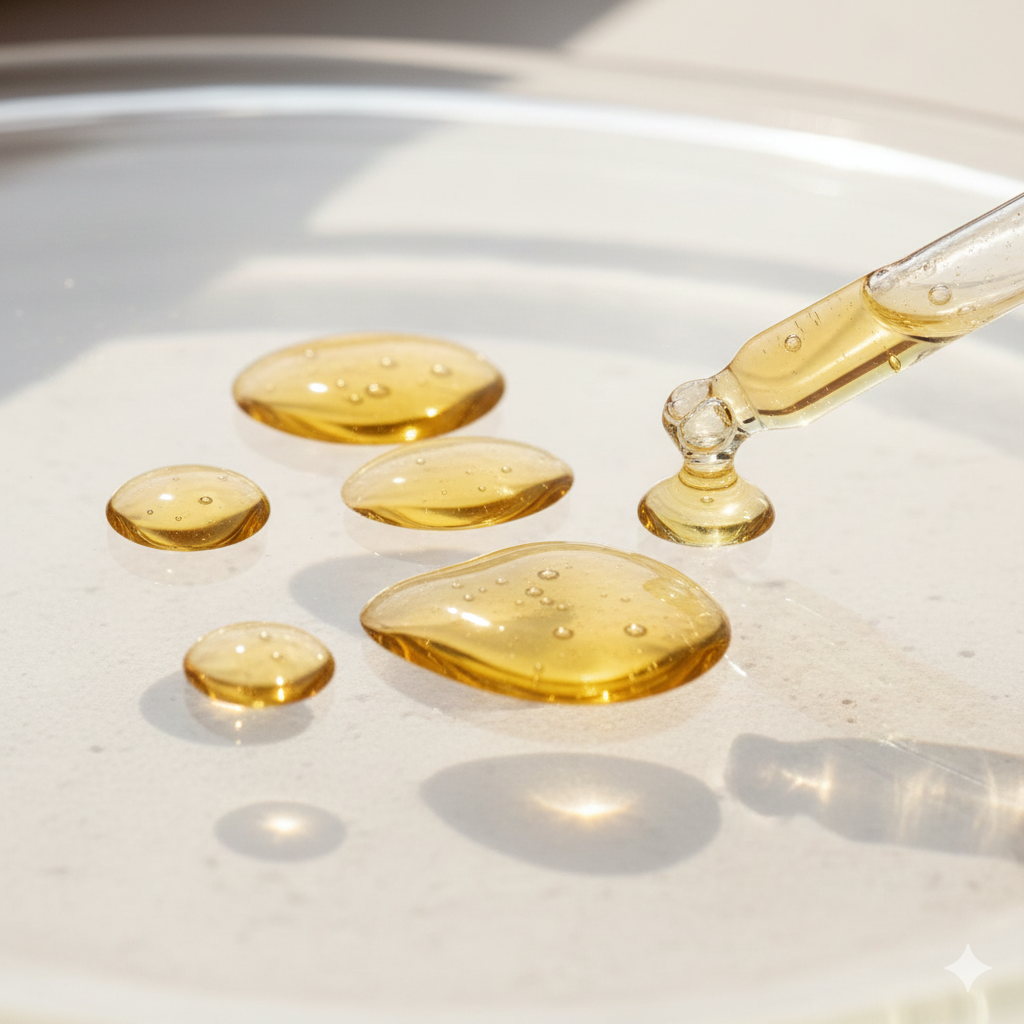
What Is Vitamin C in Skincare?
Vitamin C is a powerful antioxidant that protects the skin from environmental stressors while supporting natural skin repair. In skincare, it’s typically used in serum form because serums allow higher concentrations to penetrate more effectively.
Unlike moisturisers that focus on hydration, vitamin C works at a cellular level, helping skin look brighter, firmer, and more even-toned over time.
How Vitamin C Works on the Skin
To understand why vitamin C is so effective, it helps to know how it interacts with your skin:
- Neutralises free radicals caused by UV rays and pollution
- Supports collagen production, which keeps skin firm
- Helps fade pigmentation and uneven skin tone
- Improves skin texture and smoothness
In sunny regions like Qatar, oxidative stress from daily sun exposure is high – even when you’re mostly indoors. Vitamin C helps counteract this invisible damage.
Benefits of Vitamin C Serum for Daily Skincare
Using a vitamin C serum consistently can deliver visible and long-term improvements. Here’s what most people notice first – and why it happens.
1. Brighter, More Even Skin Tone
Vitamin C helps reduce the appearance of dark spots and pigmentation caused by sun exposure. This is especially helpful for residents in Qatar, where UV levels remain high year-round.
2. Firmer-Looking Skin
By supporting collagen production, vitamin C helps skin feel more elastic and youthful over time.
3. Antioxidant Protection Against Sun Damage
While it doesn’t replace sunscreen, vitamin C boosts your skin’s defence against UV-induced stress.
4. Improved Skin Texture
Regular use can help refine skin texture, making skin look smoother and healthier.
Vitamin C for Skin in Qatar’s Climate
Living in Qatar presents unique skincare challenges:
- Intense sunlight
- High heat and humidity
- Dehydration from air-conditioned environments
Vitamin C for skin is particularly beneficial here because it strengthens your skin barrier while helping it recover from environmental stress. Used in the morning, it adds an extra layer of protection under sunscreen – an essential step in local routines.
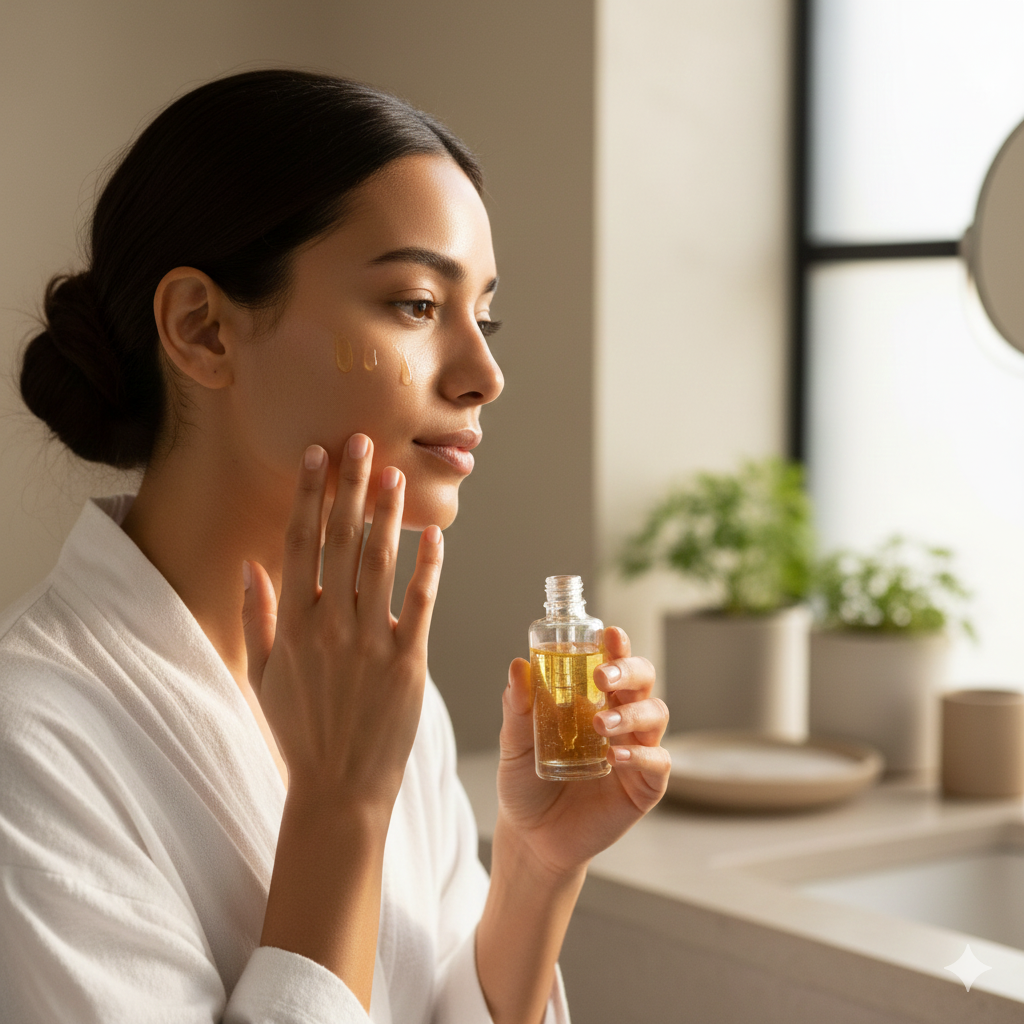
Vitamin C Serum Uses in a Simple Routine
One of the most common questions is how to actually use vitamin C correctly.
Morning Routine (Recommended)
- Gentle cleanser
- Vitamin C serum
- Moisturiser
- Sunscreen (SPF 30 or higher)
Night Routine (Optional)
Vitamin C can also be used at night, especially if your skin is exposed to heavy pollution or the sun during the day.
Consistency matters more than quantity – 2 to 3 drops are usually enough.
Different Types of Vitamin C Explained Simply
Not all vitamin C is the same. Understanding forms helps you choose better:
- L-Ascorbic Acid – Highly effective but can be irritating for sensitive skin
- Sodium Ascorbyl Phosphate – Gentler, good for acne-prone skin
- Ascorbyl Glucoside – Stable and suitable for beginners
Ingredient awareness means choosing a form that matches your skin type – not just the highest percentage.
Who Should Use Vitamin C (and Who Should Be Careful)
Suitable for:
- Dull or uneven skin tone
- Pigmentation concerns
- Early signs of ageing
- Sun-exposed skin
Use with caution if:
- You have very sensitive or compromised skin
- You’re using strong exfoliating acids daily
Patch testing is always recommended, especially in hot climates.
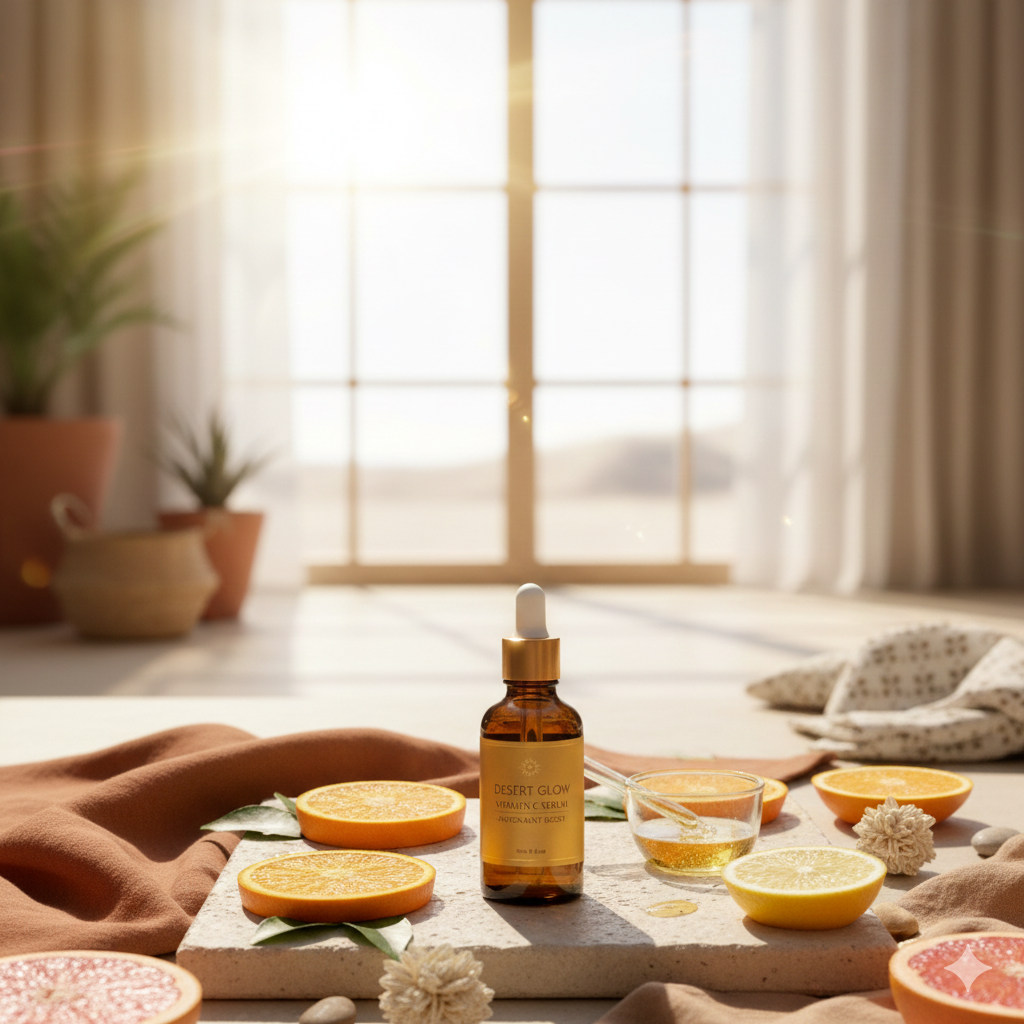
Alt: Vitamin C for skin protection in a hot climate
How to Choose the Right Vitamin C Serum
When reading labels, focus on:
- Concentration (5–15%) for most skin types
- Packaging (dark or airless bottles protect stability)
- Ingredient list (avoid unnecessary fragrance if sensitive)
According to guidance from the American Academy of Dermatology, antioxidants like vitamin C are most effective when stored and formulated correctly.
Common Myths About Vitamin C
Myth 1: A higher percentage means better results
Truth: Too strong a product can irritate and weaken the skin barrier.
Myth 2: Vitamin C replaces sunscreen
Truth: It supports sunscreen but never replaces it.
Myth 3: Tingling means it’s working
Truth: Persistent irritation means it’s not suitable for your skin.
How to Introduce Vitamin C Safely
If you’re new to vitamin C:
- Start with every other day
- Use in the morning only
- Avoid layering immediately with strong acids
Over time, your skin will adjust and show clearer results.
Ingredient Knowledge Builds Better Skin
Skincare doesn’t need to be complicated, but it does need to be informed. Understanding ingredients like vitamin C helps you make confident choices that suit your environment, lifestyle, and skin needs. When used correctly, vitamin C becomes more than a trend; it becomes a reliable part of a healthy skincare routine for life in Qatar.
Ready to Choose Vitamin C the Smart Way?
Now that you understand how vitamin C works and what your skin truly needs, the next step is choosing products with the right ingredients – not just marketing claims. Here, our carefully selected skincare range is designed for Qatar’s climate, and start building a routine that supports healthier, brighter skin every day.